 FOA Certification
FOA Certification
FOA Certification
| About
FOA Certifications |
Direct Certification |
Renewing
Certification |
|
Note: As of 2023, all new and renewal FOA Certifications will receive online certification credentials. Details here.
|
FOA Certification
Note: Techs doing fiber installation for any particular application should have a CFOT to be qualified for doing fiber optic installation work and may also have a specialist certification in that application. The CFOT is the basic certification required for all installation personnel. FOA also offers specialist certifications in three categories:
Those applying for FOA certification or those already FOA certified must agree to the conditions of certification. Beginning in 2023, all new and renewal certifications will receive online certification credentials.
The FOA is a member of ANSI (the American National Standards Institute). FOA certifications generally follow to the international standard for certification bodies, ANSI/ISO/IEC 17024 Conformity assessment — General requirements for bodies operating certification of persons.
Certification is not a substitute for experience. A FOA certifications ensure the person has an industry-accepted level of knowledge, skills and abilities as measured by the certification, but the certificant is expected to improve those skills with on-the-job training. Those hiring fiber optic technicians should include other criteria as well as certifications when evaluating personnel, including references, experience and other related training and experience. Certification is not a license, which is a official approval of an individual to do business in the jurisdiction issuing the license, such as a state in the USA. Many states in the USA now require licensing for contractors installing communications cabling. Check your local area to determine the requirements for licensing of fiber optic and low voltage contractors.
Quoted from a Georgetown University study on career and technical education: As alternative models in higher education—such as do-it-yourself (DIY) education, competency-based education, and e-learning a.k.a. online education—are becoming more prevalent, the need for a reliable credentialing system has risen in tandem. This need arises because of the difficulty in evaluating the reliability of the credentials established by these alternative systems to ensure that workers have the knowledge and skills necessary to perform proficiently on the job. Industry-based certifications (IBCs) are one model that is being embraced by educators, employers, and policymakers. Market forces, not the educational system, drove the creation of IBCs. They differ greatly from other kinds of postsecondary credentials and awards in that they are exam-based, administered and accredited by third parties, and developed by the private sector with little to no involvement from public institutions. They are not tied to particular programs of study, but can serve as both alternatives and supplements to traditional postsecondary awards, such as college degrees and certificates. Industry-based certifications address several problems that postsecondary credentials currently face: relevance, accountability, consistency, and portability. Because industry-based certifications are more flexible than traditional degrees, they better reflect current industry standards and competencies, which are in constant flux." 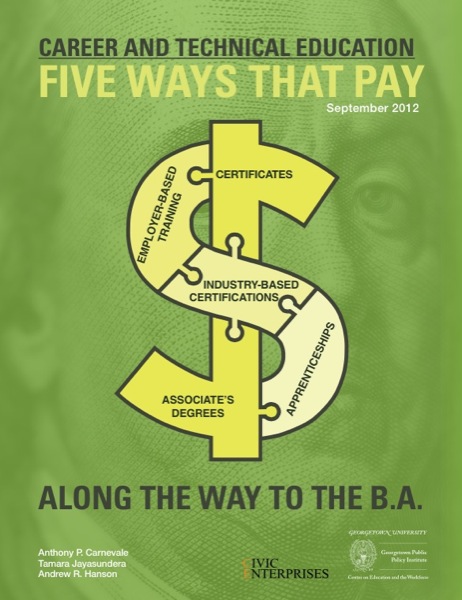 Download the full Georgetown University report here. Understanding FOA Certifications
You may be asked to verify your certification by employers or customers. Have them contact the FOA. If the FOA is contacted regarding the status of your certification, we will confirm your certification(s) and the expiration date. If you have expired, we will say you were certified at the date of your first certification and are now inactive. FOA respects your privacy and will not divulge any other information. See Confidentiality and Release of Information below. How Does the FOA
Program Relate to Other Associations? Getting Certified By The FOA If you want to become FOA-Certified in fiber optics, there are several paths available. First you should understand how FOA Certifications work. Everyone who is FOA-Certified usually begin with a CFOT and can then work toward higher level certifications. To get your CFOT, you must show extensive knowledge of fiber optics and skills in the practices common to the field. How you do this depends on whether you are currently working in the field or are just getting started.Training - Attending FOA Certification Training At An FOA-Approved School If you are just getting started in fiber optics and have no practical experience, you should get training and become certified through a proper training training organization such as one of the FOA-Approved Schools. They offer courses based on the FOA KSAs that provide classroom training which will provide the knowledge you need for the CFOT exam and hands-on labs to develop the basic skills in fiber optic cable preparation, termination, splicing and testing.
OJT - On-The-Job-Training- if you are a novice, you can get FOA certified using OJT, with a combination of studying on FIber U and everyday work on the job. After completing your OJT program you can apply for the FOA Direct certification program. Learn More Specialist CertificationsOnce you are FOA certified, you can work toward specialist certifications. FOA offers CFOS Specialist Certifications in both skills and applications. To qualify for these certifications, you can apply based on field experience or take a specialist course from one of the FOA-Approved Schools. You should keep a record of your experience in the field to qualify for specialist certifications. When you are ready, you can apply for the CFOS exam in any of the specialties. The Application Process
The minimum age to become FOA Certified is the "age of majority”. This is when a child becomes an adult in the eyes of the law. When a person reaches the age of majority, they can gain major legal responsibilities, like the right to vote, join the military, or sign a contract. The age of majority is 18 in most places, except three states. Alabama and Nebraska set the age of majority to 19 and Mississippi sets it at 21.
More Information On FOA Exams FOA Reference Materials For Certification Exams FOA certifications are all based on FOA published reference books shown below, the FOA Online Reference Guide (available in English, Spanish and French), YouTube Videos, and the FOA's web-based training site Fiber U. Books are published by Amazon Kindle Direct Publishing but may be purchased from most booksellers. There is no requirement to purchase FOA textbooks; the same material is available free online from the FOA Guide. FOA Textbooks 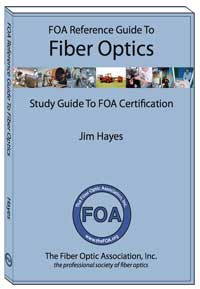
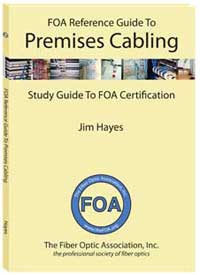
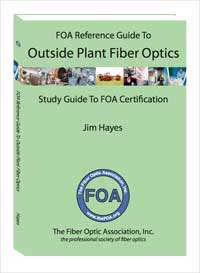
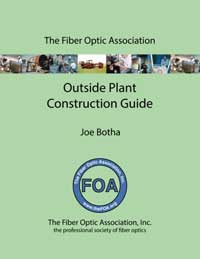
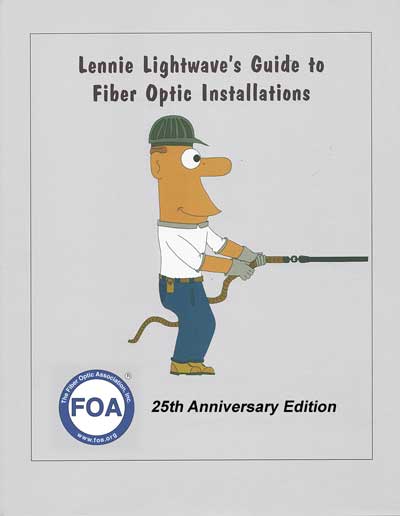 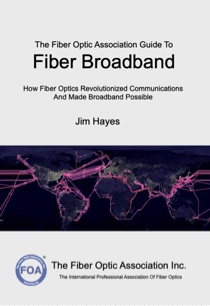 (Available Printed or eBooks - some books are available in Spanish, Portuguese and French) Click on any of the books to learn more. Students in training classes for FOA Certification will be trained in basic hands-on skills appropriate for the certification and the FOA Certified Instructor will evaluate the student's abilities to learn these skills. Those applying directly with field experience will submit documentation of their experience and other training plus references which will be evaluated by the FOA staff. Studying For FOA Certification Exams If you are preparing for a FOA exam, either taking a course from an FOA-approved school or directly from the FOA, you can study for the exam using the FOA references listed above. Reference materials for studying for these certification exams are available with the FOA textbooks or online free with the FOA Guide or as self-study programs at Fiber U.
|
||||||||||||||||||||||||||||||||||||||||||||||||||||||||||||||||||||||||||||||||||||||||
Guidelines For Direct FOA Certification With the increasing requirement for fiber optic techs to be certified and the widespread acceptance of FOA certifications, many experienced field technicians find themselves being required to have a CFOT® certification for employment, bidding on and/or working on a project. These are generally not people who would need to take a traditional CFOT course. For experienced fiber techs FOA offers Direct FOA CFOT® certification. Many students have been trained and certified by FOA-approved schools. But in addition, thousands of industry professionals have applied to the FOA directly for certification without the need for classroom training, based on their knowledge and skills developed working the field. Included in that group are most of the current FOA certified instructors teaching in FOA approved schools. FOA has always had a policy of allowing experienced people to join the FOA directly and become certified, starting with the founders and including almost all of our current instructors. The requirements for direct certification have been clear, they are simply an extension of our KSAs for students trained at our schools. We require current or recent experience in the field and passing our first level exam. FOA’s Direct Certification Program makes it easier for experienced fiber techs with at least two years of recent relevant experience in the fiber optic industry to qualify for the FOA certification. FOA’s Fiber U OJT Self-Study Program OJT is the well-known term for "on-the-job training." Workers learn on the job under the supervision of experienced co-workers. FOA has been asked many times how its resources like Fiber U can be used to help employers and their employee trainees involved in OJT. The interest in OJT has been so high that FOA has created a recommended OJT program and create training aids to help employers develop qualified techs using OJT. The FOA Fiber U OJT self-study programs include both fiber optics and premises cabling (copper, fiber & wireless), so it covers techs working in both outside plant and premises jobs. The
FOA Fiber U OJT program combines online study at Fiber U
with OJT to help new employees
develop into FOA-certified technicians. Upon
completion of the Fiber U OJT
program and gaining adequate field experience, the
trainee will be qualified by having field experience and prepared to apply for
the FOA Direct Certification program described above. Required Conditions for Certification Applicants for FOA certifications must provide proof of identity and personal data which will allow FOA to identify them positively. Data must include mailing address, phone and email to allow communicating with them on FOA business. Professional data may also be required to show the applicant meets the requirements of the certification. FOA will not use the material except for FOA purposes. See the FOA Privacy Policy for details. Applicants challenging FOA exams must sign an application that includes a confidentiality agreement acknowledging the copyright restrictions on FOA materials and exams and an agreement to not discuss the exams or disclose the contents of any FOA examinations or other materials to any person or to post any details or comments on the materials online. Failure to abide by these restrictions will result in denial of certification or revocation of all the person's FOA certifications. All FOA Certification Holders must agree to the following:
About The FOA Certification Exams The KSAs, references and certification tests have been vetted by a number of FOA advisors who are industry experts and experienced trainers from the FOA international community. All exams are based on the references noted above which are recommended study materials for the exams.. About FOA Certification Exams:
Post-Examination:
Statement of Impartiality All decisions related to certification are fair and applied consistently across all applicants, candidates, and certified persons to assure that certification is awarded solely on the individuals’ ability to meet and maintain certification requirements, and nothing else. Statement of Non-Discrimination The FOA does not discriminate among applicants, candidates or credential holders on the basis on age, sex, race, religion, national origin, sexual orientation, or marital status. Special Accommodations for Disabled Applicants The FOA shall provide Reasonable Accommodation to disabled applicants within the meaning of the Fair Employment and Housing Act (Government Code § 12940) and Title I of the Americans with Disabilities Act (42 U.S.C. § 12101, et seq.). To ensure that Reasonable Accommodation is made, whenever possible, the FOA will engage in good-faith processes with applicants who, because of a disability, need special arrangements to enable them to take an FOA exam. Information For Those Holding FOA Certifications Certificants should contact the FOA directly for questions regarding certification status, including length of certification validity, use of the certification mark and logos, replacement certificates, code of ethics and misconduct, discipline (including suspension and withdrawal of certification), recertification requirements or other issues not covered below. Communications by email at the FOA contact address, <info @ foa.org> are preferred. Use Of The FOA Logo Persons holding current FOA certifications may display the appropriate FOA logos, for example on business cards, stationery, signs, websites, clothing, vehicles, etc. promoting that they are certified by the FOA. The FOA makes these logos available for use by certified technicians only as a sign of their individual affiliation with the FOA. The FOA logo may not be used to represent a business or company as being affiliated with the FOA. Companies interested in being affiliated with the FOA may apply to the FOA corporate program. Proper use of the logos is the responsibility of the member. The FOA assumes no liability for the use of these logos or the actions of those displaying them. The FOA reserves the right to revoke permission to use the FOA logo at its discretion.
|
|||||||||||||||||||||||||||||||||||||||||||||||||||||||||||||||||||||||||||||||||||||||||
FOA Renewal Policy And Certification Renewal Procedures Why is it important to renew your certification? In today's high tech world, certification is considered proof of professional status and is often required for jobs. Employers often contact the FOA to confirm the status of a job applicant. Certification requires actively working in the field. If the person’s certification is not current, we confirm when they got their certification, when it expired, and that if expired, we consider them inactive. Cost to renew: $100US for 3 years Renewal procedures: Renewal Notice The FOA emails each certified individual a renewal notice one month before their renewal date. Note: be sure to inform the FOA if you change your email. You will not receive a renewal notice if we do not have a valid email for you. Certification holders should also check the expiration date their credential. If you have lost your credential, you can contact the FOA –we will verify your status – whether your certification is currently valid or if you need to renew. If you need to renew, you will receive directions on what steps you need to take to renew. How renewal date is determined The renewal date is always the 3-year anniversary date of your first certification (this is the date on your certification credential). If you earn additional certifications, the renewal date remains the 3-year anniversary of your first certification and your renewal covers all your certifications. When your renewal process is completed, all your certifications are updated and you will be emailed confirmation of your renewal and a link to your FOA online credential, listing all your certifications. What Happens If Your Certification Expires? If your certification expires, you have a three year grace period when you may renew without retesting or retraining. After the grace period, you will be required to retest if you are still actively working in the field or take another training course if you are not actively working in the field. If the FOA is contacted regarding the status of your certification, we will confirm your certification(s) and the expiration date. If you have expired, we will say you were certified at the date of your first certification and are now inactive. Submitting your renewal application When you are ready to renew, you go to the FOA homepage: www.thefoa.org. Look for the "Renewal" link on the left-hand column with the pictures of credit cards. Note: You must know your FOA Certification Number and Expiration Date to renew online. If you need assistance, email the FOA at info@foa.org. You have two options to renew: FOA online store where you can renew with a credit card or a PayPal account. Print a renewal form and send or email it to the FOA. Directions are on the form. Renew online or print a renewal form Renewal requirements As part of the renewal application process, you must remain active in the fiber optic/cabling profession, review a requirement for continuing education, and review key policies and procedures on the FOA website. These are the requirements: 1. Remain active in the field The applicant must verify that they are active in the fiber optic or cabling profession by either 1) working in the field recently or 2) are searching for work in the field and have taken training to keep their skills up to date. Contact FOA for options for renewal. 2. Review FOA Certification Holders Agreement You must review the FOA Certification Holders Agreement and agree to abide by the provisions outlined here. 3. Verify your status for renewal. Finally you must verify that you meet these requirements for renewal with your signature (sign the printed application or answer the question on the page for online payment). Individuals who do not provide or falsify e-signatures/signatures may have their certification cancelled. Applications will be reviewed by the FOA credential staff. Applicants will be notified if information submitted with the application is insufficient or incomplete. If your application is approved, the applicant should expect to receive their new online certification credential in approximately 3-4 weeks. How to re-establish expired FOA certifications If you are currently working in the field: After your certification expiration date, you have a three year grace period when you may renew without retesting. After the grace period, you will be required to retest. If you are not currently working in the field: After your certification expiration date, you have a three year grace period when you may renew without retraining. After the grace period, you will be required to take an appropriate course from a school approved by the FOA. Contact the FOA at info@foa.org for further instructions. If you do not recertify you are considered “inactive”. Your records will remain in the FOA database with the expired date for record-keeping purposes. Revocation of Certifications Persons who violate the terms of certification agreed to when making application may have their certification revoked. They will be notified of the intent to revoke their certification and may appeal the decision. If the certification is suspended, the person may not claim FOA certification. Denial of Eligibility Any applicant who does not meet the eligibility requirements will be notified that their credential application has been denied. The reasons for the denial shall be indicated. Complaint Handling Process Complaints about certifications, processes, FOA Approved Schools, persons who are FOA Certified, etc. should be addressed to the FOA. Contact the FOA by email or postal mail. Please indicate the subject of your complaint. • Complaints will be reviewed by a designated board member assigned by the president. The complaint reviewer shall not be part of the staff involved in the initial assessment. • Complaint reviewer should consider the complainant’s explanation and provide a written response, which includes a clear explanation, or a repeated explanation of the assessment decision following a re-evaluation of the evidence. • The reviewer of the complaint should reply within 30 working days after receiving a complaint. A progress report may be required if the full 30 days is required to respond. • All Complaints will be handled on a confidential basis by FOA persons who have signed confidentiality agreements. Appeal process Where the Complainant disagrees with the reply received from the complaint reviewer, then he or she may proceed to file an appeal explaining the reasons for disapproval. Contact the FOA by email or postal mail. Please indicate the subject of your appeal. Steps to be followed by the appellant: • The Appeal shall be submitted soon after receiving the complaint decision and no later than 90 days (three months) after receiving the decision. • The Appeal shall be submitted in writing by e-mail. • The Appeal, besides the personal information (full name, address and other contact details) of the Appellant, and why the Appellant is not satisfied with the review done after the initial complaint. Steps to be followed by the FOA: • Appeals will be reviewed by a different board member assigned by the president. The reviewer shall not be part of the staff involved in the initial assessment not the original person handling of the complaint. • This structure enables the participation of all parties significantly concerned in the development of policies and principles regarding the content and functioning of the FOA services, without any particular interest is predominating. • Appeal reviewer will respond to an appellant in writing (via email) within 60 days after receiving the appeal. The reviewer will provide the appellant with a progress report as required if the appeal process takes the full 60 days. • It should be noted that this decision is absolute and final. • Submission, investigation and decision on Appeals shall not result in any discriminatory actions against the Appellant. • If necessary, the FOA will take appropriate correction and corrective actions. • All Appeals, including actions taken, will be tracked and recorded by the FOA. • All Appeals will be handled on a confidential basis by FOA persons who have signed confidentiality agreements. FOA Communications Regarding FOA Certifications How to Contact the FOA All questions about the renewal process or any other questions or complaints about the FOA and its program should be addressed to info@foa.org or you can call the FOA at 760-451-3655. You will normally receive a reply acknowledging the receipt of your inquiry within 24 hours. If the question/comment requires consulting with a member of the technical staff or if a specific action by the FOA is required, we will then give you an approximate time frame when we will be able to respond back with the information you are requesting. Confidentiality and Release of Information If the FOA receives a written request from a source such as a potential employer, regulatory agency or company doing background checks, we will release only the following information about your certifications:
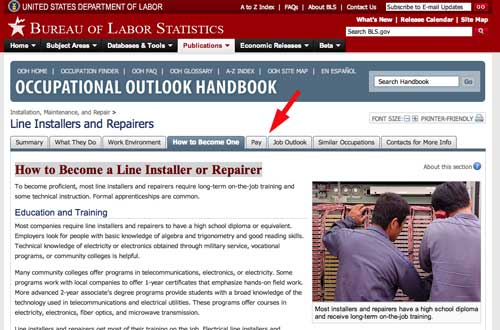
Use Of FOA Trademarks And Logos Trademarks and Copyrights CFOT® and Fiber U® are registered trademarks of the FOA. All FOA curriculum and reference materials are copyrighted and the property of the FOA. The intellectual property rights and copyright of the original material remain the property of The Fiber Optic Association, Inc. The FOA is pleased to have those holding current FOA certifications display the appropriate FOA logos. FOA members are free to use them on personal business cards, stationery, signs, websites, vehicles, etc. promoting that they are a member of the FOA. The FOA makes these logos available for use by its members and certified technicians only as a sign of their "personal" affiliation with the FOA. The FOA logo may not be used to represent a business or company as being affiliated with the FOA. If you represent a company that is interested in supporting the FOA, here is a link to our corporate program: http://www.thefoa.org/corporate.html Proper use of the logos is the responsibility of the member. The FOA assumes no liability for the use of these logos or the actions of those displaying them. The FOA reserves the right to revoke permission to use the FOA logo at its discretion. For further information on the FOA Usage Policy for FOA Copyrighted Technical Materials, link here: http://www.thefoa.org/usepolicy.html FOA Certifications Are Recognized By The US Department of Labor  FOA Certifications have been recognized by the US Department of Labor. The DoL reviews certifications and how they relate to job opportunities and training. The DoL Career OneStop website helps individuals explore career opportunities to make informed employment and education choices. The Web site features user-friendly occupation and industry information, salary data, career videos, education resources, self-assessment tools, career exploration assistance, and other resources that support talent development in today's fast-paced global marketplace. Go to FOA Certifications Listing By US Department of Labor - Career OneStop and search for "Fiber Optic Association" to see all the FOA certifications listed. See also The DoL Occupational Outlook Handbook which has a page covering fiber optic technicians under "Line Installers and Repairers" and links to FOA certifications. FOA is listed
in the section "How
to Become a Line Installer or Repairer."
Changes
|