FOA Introduction To Fiber Optics

Today's world communicates on fiber optics. Broadband, the Internet, data centers, CATV, wireless, satellites, and practically everything else communicates on the world's fiber optic networks. Even wireless is only wireless to the nearest antenna and satellites need ground stations around the world to connect into the telecommunications networks.
Understanding fiber optics has become a necessity for everyone- one instructor at a college called it a "core competency.". In less than half a century, fiber optics has revolutionized communications and, in many ways, society in general. How does fiber optics work to make telecommunications work? This course will explain not only how fiber optics works, but how it was developed and how it is integrated into our world today.
The FOA Introduction to Fiber Optics program is a classroom course which can be taught as a seminar for workforce development programs or as a module in degree programs appropriate for engineering, science. management or business students at the university, technical college or technical high school level. It can be a module within a course, e.g. telecommunications, or a standalone course. Think of this course at the college level as an elective course which should be taken by scientists, engineers or business majors to understand fiber optics which they will encounter in their future jobs. It is also available as a free online self-study program on Fiber U to support the classroom course for blended learning.
How does this course differ from other FOA courses? FOA is best known as the certifying body for the 110,000+ FOA-certified fiber optic technicians, CFOTs, who design and build the worldwide fiber optic communications networks. The FOA CFOT course is for technicians who need the knowledge of fiber optics plus the skills and abilities to design, build, test and operate today's fiber optic networks. A CFOT course includes about 50% hands-on labs for learning the skills to be a fiber optic tech, which is not included this course. This course is more informational, with the options of adding additional topics to study or case studies added by the instructor.

FOA bases the curriculum for this course on its basic fiber optic textbook, The FOA Reference Guide To Fiber Optics, available in English, French, Spanish and Portuguese. FOA also has an extensive knowledge base in fiber optics - online references, printed textbooks, YouTube videos and the free Fiber U online learning site also available for use in a course. FOA offers Certifications, Microcredentials and Certificates of Completion for all those involved or interested in fiber optic communications.

FOA offers the FOA Microcredential in Fiber Optics. This microcredential recognizes knowledge in the technologies that make fiber optics the backbone of today's telecommunications.
Curriculum Support
To help schools and instructors create a program about fiber optics, FOA has created the textbook, free online learning course at Fiber U and curriculum for a classroom/seminar course. This is not a highly technical course; it is at a level where non-technical students can understand it and technical students can learn enough to prepare for more technical courses.
Who Should Take This Course?
As a course or elective in a degree program:
- Students in sciences who will work in IT, communications, or basic research
- Students in engineering who will design and build IT, broadband or other communications projects
- Students in management or business who plan or manage projects involving broadband communications
For workforce development:
- Fiber optic technicians
- Technical personnel in IT, communications, data and AI
- Engineers involved in designing and building broadband projects
- Management personnel in business and government involved with planning and building fiber optic projects
Learning Objectives
- What is “fiber optics”?
- The communications services that utilize fiber optics
- How those services evolved using fiber optics
- How those services work together
- Applications that these services support (wireless networks, streaming video, smart cities, smart grid, intelligent traffic systems, etc.)
- What is needed to offer fiber optic networks and services or run companies delivering them?
Course Outline
- Introduction To Fiber Optics
- Fiber Optic Jargon
- Networks And Communications Technology
- Fiber Optic Telecommunications
- Fiber Optics For Wireless Networks
- Fiber To The Home
- Optical data Communications Networks
- The Internet And Data Centers
- Fiber Makes It Smart
- Building Fiber Optic Networks
Curriculum Materials Available From FOA
- Textbook (https://www.foa.org/FOArgfo.html)
- Online references at FOA Guide (https://www.foa.org/tech/ref/basic/index.html)
- Online free self-study program for blended learning at FiberU.org (https://fiberu.org/#basic)
- Instructor curriculum package (Instructor Guide, PPT presentations, supplemental materials, suggested assignments and case studies)
- Online testing for microcredential
- FOA Microcredential in Fiber Optics
- Instructor can assign discussions and case studies suggested in the Instructor’s Guide
Online Study
- Fiber U Self-study Course (https://fiberu.org/#basic) includes lesson quizzes
- Internet searches for case studies
- Lessons may be on school LMS linked to FOA reference materials and online tests
Student Evaluation
- Lessons in textbook and online at Fiber U include quizzes for each lesson
- Final online exam for FOA microcredential in Fiber Optics automatically returns graded exam to instructor and/or school
The FOA microcredential in Fiber Optics is available for those completing the FOA course successfully.
What is a "Microcredential"? Microcredentials are a twenty-first century innovation of the high tech industry, digital credentials created to recognize achievements in technical fields, compatible with the online platforms users depend on for communication today, like LinkedIn, Facebook, etc. A badge may be achieved by demonstrating knowledge, expertise and experience and is evidence the badge holder may use to show their achievements.
Microcredentials are the way professionals convey their verified knowledge, expertise and professionalism to their employers, colleagues and others they work with.
Digital Microcredentials offer tremendous value to the earner. Employers, coworkers, customers, essentially everyone the earner interacts with in their work, can easily validate the earner's credentials with a single click. Microcredentials let the earner stand out from those who do not have similar verified knowledge, experience and achievements. Microcredentials simplify sharing credentials on the platforms which are widely used in business.
Getting Started At A School
The course is based on the FOA textbook The FOA Reference Guide To Fiber Optics,FOA will provide an Instructor's Guide and PPT for instructors free to schools.
After the course is complete, students take the FOA microcredential in Fiber Optics test to achieve the credential.
Instructors and FOA will be emailed all student test results.
Students passing the test will receive an online credential (badge).
The FOA will invoice the school for the cost of the tests ($50 each).
Schools interested in teaching the FOA Introduction To Fiber Optics course should contact the FOA for directions to apply.
FOA also offers a course like this on Broadband that offers a microcredential.
About The FOA
The Fiber Optic Association, Inc. (FOA, www.foa.org) is the international nonprofit professional association of fiber optics and recognized certifying body for technicians in the field. FOA was founded in 1995 by prominent fiber optics trainers and industry personnel to create the workforce needed to build the internet. Its charter was (and still is) to promote professionalism in fiber optics through education, certification and standards. Today FOA is the principal source of technical information, training curriculum and certifications for the fiber optic industry. FOA is an international recognized certifying body and has certified over 110,000 techs working in the industry worldwide.
Interested In FOA Certification?
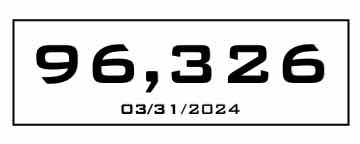
fiber optic techs have been certified by The FOA worldwide!
Experienced fiber optic technicians may apply for FOA Certification through FOA's Direct Certification Program
- Those just getting started in fiber optics should find an FOA-Approved school
Disclaimer:
Any Microcredential granted by The FOA does not constitute licensure to practice or provide services when required by any relevant law. The FOA Microcredential does not in any way imply that The FOA assumes responsibility or liability for any badge holder's actions, and Microcredential holders indemnify The FOA from any liability resulting from their actions.
Changes:
- The
FOA reserves the right to make changes to the Microcredential programs without notice.